Choose 6×4 or 8×4 from the actual work
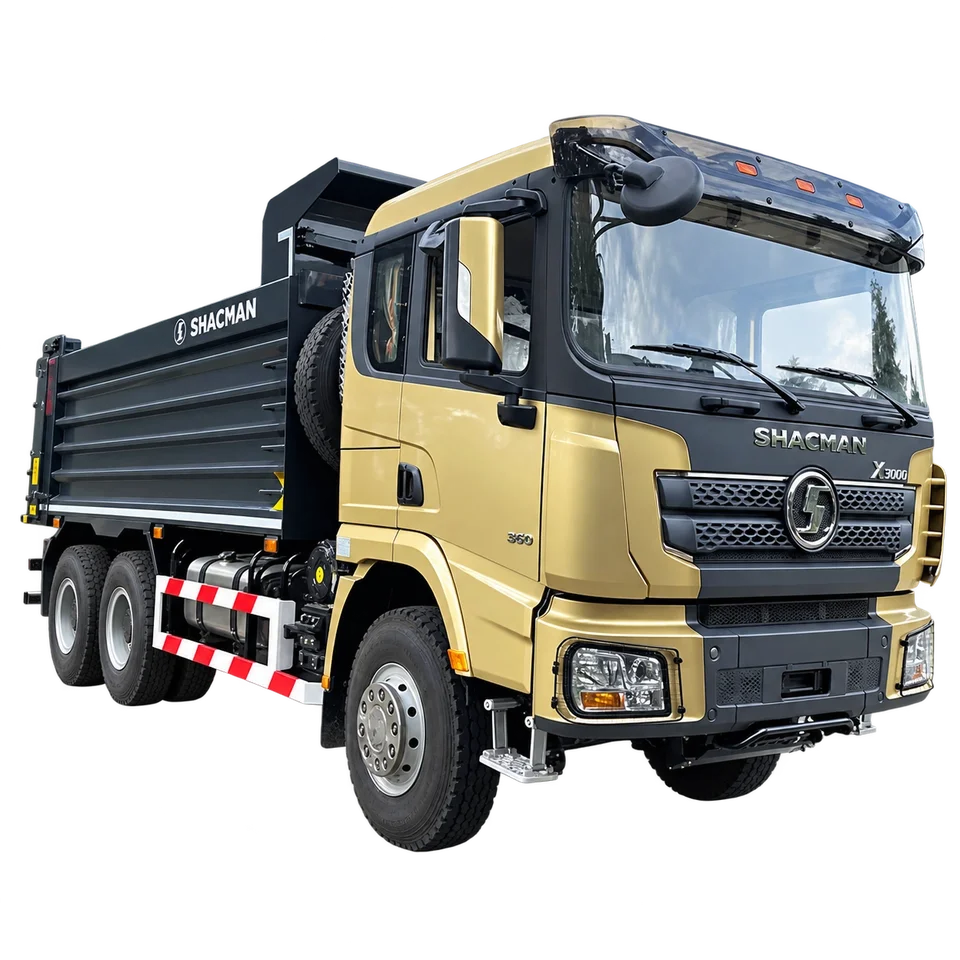
A 6×4 X3000 is generally shorter and easier to maneuver, with fewer tires and axles to maintain. An 8×4 chassis can support a larger body and distribute weight across more axles, but it needs more turning and loading space.
Neither layout is automatically better. The correct choice depends on material density, legal axle limits, road and bridge rules, site access, gradients, trip distance, loading equipment and target daily output.
- Material: sand, stone, ore or earth
- Public-road or off-road operation
- Turning and loading space
- Axle and bridge limits
Specify the dump body before comparing price
Body length, width, height, floor and side-wall thickness, material, reinforcement, tailgate and hydraulic arrangement change both cost and suitability. A volume claim without the carried material and legal payload is not enough.
Ask the supplier to state whether the body is original, repaired or newly built and whether its weight and dimensions are included in the selected truck's final specification.
- Internal body dimensions
- Steel and thickness
- Subframe and reinforcement
- Cylinder and hydraulic system
Verify the exact engine, gearbox and axles
X3000 trucks exist with different engines, outputs, gearboxes, axle ratios, steering positions and emission configurations. Confirm these items from the selected vehicle's plates and inspection evidence instead of assuming a model-series specification.
Match the axle ratio, cooling, tires and driveline to the operating speed, gradients and site conditions. A configuration suitable for paved transport may not be the best choice for quarry or mining work.
Inspect the complete selected dump truck
Request current photos showing the full vehicle, identity plates, chassis, frame, suspension, axles, tires, body and hydraulic components. A continuous video should show a cold start, engine response, gearbox operation, steering, braking and a full tipping cycle.
Check for frame damage, unauthorized repairs, leaks, uneven tire wear and body or subframe distortion. Record what will be repaired and how completion will be verified.
- Cold-start and engine video
- Road, steering and brake test
- Frame and suspension inspection
- Full raise-and-lower hydraulic test
Make refurbishment measurable
A refurbished label is too broad for a contract. List the mechanical systems to inspect, parts to replace, tires to supply, cab and electrical work, body repairs and paint preparation. Agree the evidence required for each promised item.
Final acceptance should connect the selected chassis identity to the completed work, photo set, test video and shipping documents. Consider independent inspection when the order size warrants it.
Request a destination-based export quotation
Send the destination country and port, quantity, material, work site, desired axle layout, condition and purchase time. Ask for itemized FOB, CFR or CIF options with a validity date because vehicle availability and freight change.
Compare the same scope across suppliers: selected truck, body, refurbishment, tires, inland logistics, export handling, ocean freight, insurance and the charges remaining at destination.
- Selected-unit or sourcing specification
- Condition and refurbishment
- Quantity and destination port
- FOB, CFR or CIF breakdown