Start with material density, not only cubic volume
The same body volume produces very different cargo weight when carrying soil, wet sand, stone or ore. Give the supplier the actual material and typical moisture condition so body volume is not treated as payload by itself.
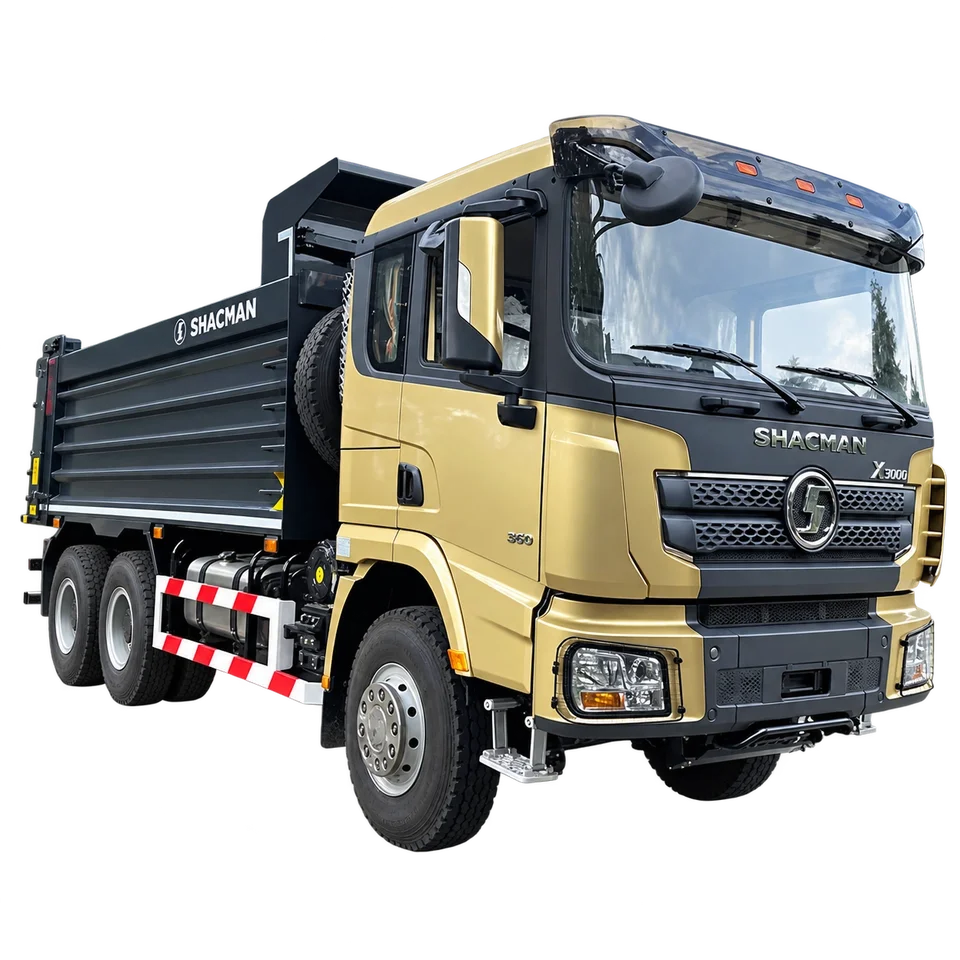
An oversized body can encourage overloading, increase instability and place excessive stress on the chassis, axles, tires, subframe and hydraulic system. The body should be matched to both the material and the permitted operating weight.
- Material type and density
- Moisture condition
- Loading method
- Target legal operating weight
Check chassis and destination limits
Confirm the selected chassis gross vehicle rating, axle ratings, wheelbase, suspension, tires and intended duty. Local road, bridge and axle rules may set a lower legal limit than an advertised payload claim.
For off-road work, legal road limits are not the only concern. Gradients, surface, traction, cooling, braking, turning room and maintenance capacity can determine whether a 6×4 or 8×4 arrangement is practical.
- Chassis and axle ratings
- Road and bridge rules
- Site access and gradients
- Tire and brake capacity
Write down the complete body specification
Record internal length, width and height, floor and side-wall material and thickness, reinforcement, subframe, tailgate and top extensions. Ask for the estimated body weight because a heavier body reduces available payload.
State whether the body is original, repaired or newly built. A new body may improve suitability, but its design and mounting still need to match the selected chassis and work.
- Internal dimensions
- Steel and thickness
- Subframe and reinforcement
- Original, repaired or new body
Match the hydraulic system to the body
Confirm the cylinder arrangement, pump, PTO, control, hoses, hinges and tipping angle. The system must raise the intended load while maintaining stability and acceptable cycle time.
Request a full raise, hold and lower test on the completed truck. Look for leaks, jerking, body twist, subframe movement and uneven operation rather than accepting only a photograph with the body raised.
- Cylinder and mounting
- Pump and PTO
- Tipping angle
- Complete loaded or agreed test
Send a requirement that can be engineered and quoted
A useful inquiry includes material, desired legal payload, route, gradients, road surface, loading equipment, turning space, quantity, destination and preferred 6×4 or 8×4 arrangement. If the body size is not fixed, ask the supplier to explain the recommendation.
Require the final quotation and contract to identify the selected chassis, body drawing or written dimensions, condition, preparation and delivery term. This turns a broad capacity claim into a configuration that can be inspected before shipment.
- Work and destination
- 6×4 or 8×4
- Body drawing or dimensions
- Inspection and acceptance evidence