Start with the truck you are actually buying
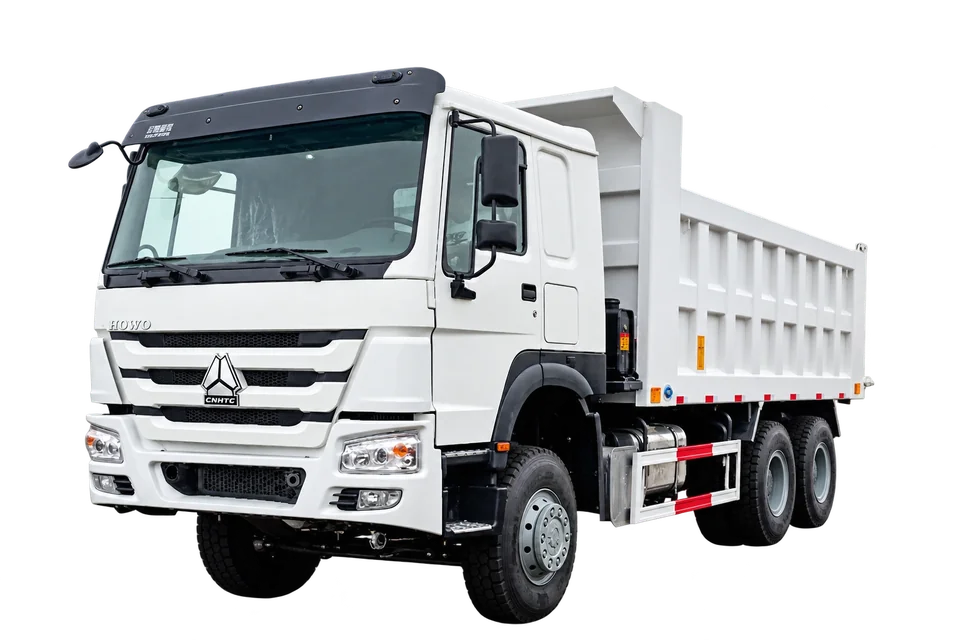
A used HOWO tractor head and a HOWO dump truck do not occupy the same shipping space. Even two dump trucks with the same model name can have different body lengths and heights. A freight estimate based only on “HOWO 371” is missing the information needed to check the booking.
Ask for the overall length, width, height and shipping weight of the selected truck. Include anything that projects beyond the main body. Match the measurements to current photographs and the chassis identity before the forwarder quotes.
When is RoRo worth asking about?
RoRo means roll-on/roll-off: the cargo moves onto and off the vessel using its ramp. For a truck shipped complete, ask whether the available service accepts that vehicle and reaches your destination port. A route on a website is not a confirmed sailing or a reserved space.
Tell the forwarder whether the truck starts, drives, steers and brakes. If it cannot move safely under its own power, declare that before booking and ask how it will be handled. Get acceptance and any additional handling charges in writing.
Can a complete HOWO truck fit in a container?
Do not choose a closed container from its length alone. Door width, door height, internal space, payload and loading access all matter. Hapag-Lloyd’s example 40-foot high-cube container has a door opening of 2,340 mm wide and 2,597 mm high; the carrier also notes that dimensions vary by container manufacturer. Compare these limits with the actual truck, not a catalogue assumption.
If an offer involves removing a cab, body, wheels or other parts, ask for a written packing and reassembly plan. Identify who does the work, what equipment the buyer needs and how removed parts are protected. A flat-rack or breakbulk proposal needs its own dimensions, securing plan and carrier acceptance.
Prepare the truck for the booked service
Cleaning and loading condition can affect acceptance. Wallenius Wilhelmsen’s used-unit instructions address cargo cleanliness, leaks, tires, steering and loose items. They also include fuel and battery procedures. Use the rules for your booked carrier and destination rather than assuming every line follows the same instruction.
Before the truck leaves the preparation location, agree who checks the loading condition and takes the final photos. Keep personal belongings out of the cab. Declare separately supplied spares and follow the carrier’s permitted-item and securing requirements.
Compare the complete shipping offer
A low ocean-freight figure can still produce an expensive shipment if inland transport, loading, port handling or destination charges are left out. Ask each supplier and forwarder to quote the same truck, quantity, ports and shipping condition.
Request a dated offer with validity, proposed route and schedule assumptions. Separate the vehicle price, agreed preparation, origin logistics, ocean freight, insurance where applicable and destination exclusions. Have your destination agent confirm clearance and local delivery costs for the selected vehicle.
Send these details for a useful quote
For a used HOWO truck export inquiry, send the truck type, axle layout, quantity, destination port and current measurements. If you have not selected a truck yet, tell us the transport work and budget so that the vehicle and shipping options can be compared together.
RUICHI can help organize model options, vehicle photos and export quotation details. The final offer should identify the selected truck, agreed preparation and shipping scope. Contact leo@ruichitrucks.com or use the product inquiry form with your destination port.
- Tractor head or dump truck, model and axle layout
- Quantity and named destination port
- Overall length, width, height and shipping weight
- Current photos and running condition
- Complete shipment or proposed dismantling and reassembly